The Batwa of Uganda
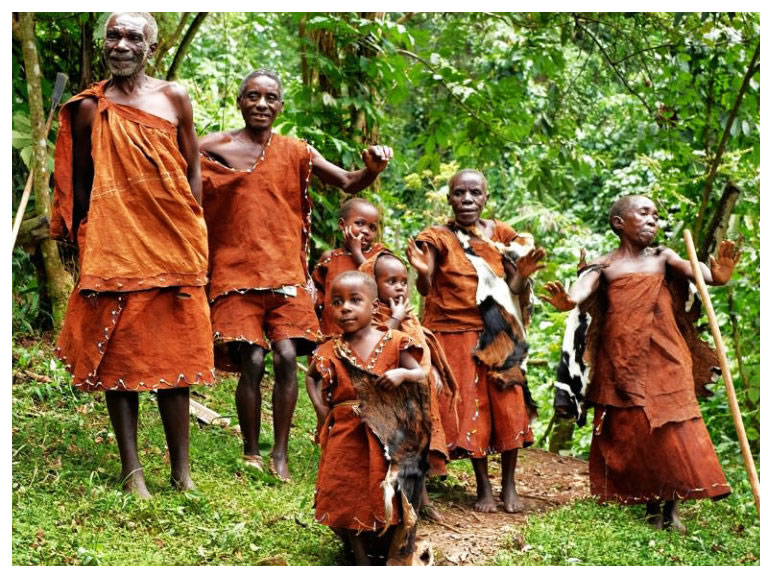
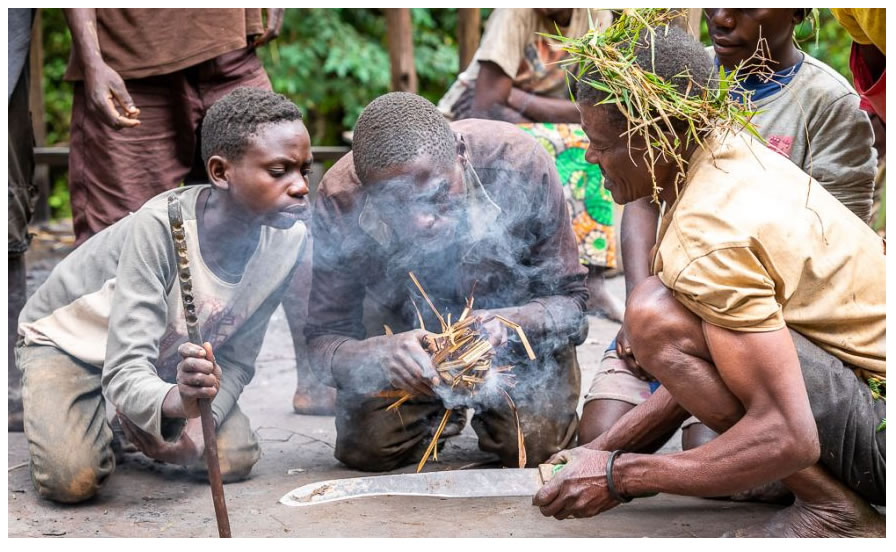
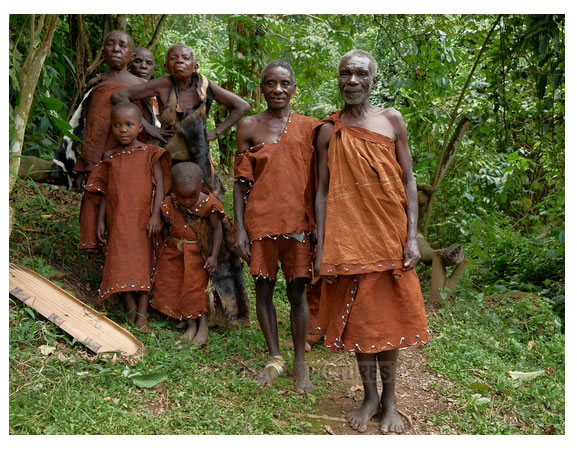
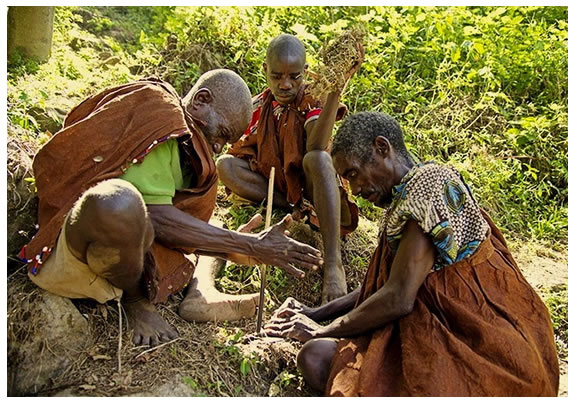
The Batwa (Mutwa: singular) are pygmies who are an endangered group found around Bwindi Impenetrable forest in Kisoro and Kanungu district in South-Western Uganda. They are short people with an average height of four feet and are located in the Albertine rift region. The Batwa are believed to have migrated from the Democratic Republic of Congo from Ituri forest. They are also located in the Northern part of Rwanda and Burundi. The migration was due to their search for animals to hunt hence the name Kisoro district which means ‘area occupied by wild animals’. They live in homesteads of grass thatched huts made out of stick and grass. Other than the Batwa, Echuya forest is occupied by the Bakiga, Hutu and Tsutsi from Rwanda and Burundi. The Bakiga from Uganda are seen as the Bairu by the Batwa
The Batwa people are one of the tribes in with the least population occupying about 5 percent of the total. They occupy the districts of Kisoro, Kanungu, Rukungiri and Bundibugyo. However, they have become extinct in the modern times
The Batwa were great protectors of the forest and lived in harmony with gorillas and other animals. They construction of huts until they started penetrating deep into the forest for timber as well as hunting that led to their eviction.
In Rwanda, the Batwa are referred to as the Twa. They were in cooperated into Rwanda at the tie it was a monarch. They mostly paid tribute to the Tsutsi King and attended court sessions as well where they would advise the King, and perform cultural dances. They were given the role of protecting the forest from encroachers and were free to impose heavy fines on them.
The government of Uganda together with the World Heritage site, in 1992 evicted all the people who lived around and in the forest to protect the 350 endangered mountain gorillas. The evicted areas were Bwindi Impenetrable national park and Mgahinga national park. The Batwa became conservation refugees and were not compensated for being told to relocate yet they actually help protect the wild animals from poachers and lived in harmony with the wild animals. This was seen as unfair to them and it led to a constraint in resource on their side as they could not sustain their families even up to date. The bantu on the other side who relocated were compensated.
The Batwa started a new life from scratch and it was difficult for them since they were ripped of land and their homes. They started living off as beggars, worked as potters earning meagre wages and petty theft. There is a belief that one gets cured of HIV/AIDS when they sleep with the pygmies. This had led to the Batwa women being raped thus insecurity.
The main activity of the Batwa is small scale farming. A few of them own less than an acre of agricultural land in hard-to-reach locations. The land was obtained from development organizations like the Mgahinga Conservation Trust (BMCT) Adventist Development and Relief Agency that has helped them farm food for subsistence as well as commercial use.
Therefore, this where we come in as Children of Batwa to specifically help out these vulnerable children be greater people in future.
Echuya forest is still heavily encroached upon even after it was declared a forest reserve of the central government. Poaching, bamboo trees, timber, firewood and honey collection are still actively being carried out by both the Bantu groups and the Batwa around and in the forest. The Batwa encroach on the forest due to the lack of means of survival. The Batwa have placed much cultural importance on this forest and were very disappointed when they were misplaced from it.